(VN/EN) Watt Weekly: Competitive Wholesale Electricity Market From An Investor’s Perspective – Thị Trường Bán Buôn Điện Cạnh Tranh Dưới Góc Nhìn Của Nhà Đầu Tư

Welcome to Vilasia Watt Weekly—your high-voltage gateway to the pulse of Vietnam’s renewables revolution. In each electrifying edition, we illuminate the nation’s shifting energy policies, fresh regulations, and ramped-up enforcement measures that shape the industry’s momentum. Our mission is to energize your perspectives on Vietnam’s low-carbon transition—whether you’re navigating legal compliance, scouting clean power investments, or simply captivated by the winds of change sweeping through the energy landscape. Join us as we shine a spotlight on the empowering developments that are charging Vietnam’s future with sustainable possibility.
Chào mừng quý độc giả đến với Vilasia Watt Weekly—“cánh cổng cao thế” dẫn lối vào nhịp đập sôi động của cuộc cách mạng năng lượng tái tạo tại Việt Nam. Trong mỗi ấn phẩm tràn đầy sức sống, chúng tôi sẽ soi rọi những chuyển biến trong chính sách năng lượng, các quy định mới, cùng các biện pháp tăng cường thực thi đang định hình đà phát triển của toàn ngành. Sứ mệnh của chúng tôi là tiếp thêm “năng lượng” cho góc nhìn của bạn về con đường giảm phát thải carbon—dù bạn đang tìm hiểu về tuân thủ pháp lý, tìm kiếm cơ hội đầu tư năng lượng sạch, hay đơn giản chỉ say mê trước luồng gió đổi thay thổi bùng bức tranh năng lượng Việt. Hãy đồng hành cùng chúng tôi để khám phá những bước tiến vững chắc, góp phần “sạc” đầy tiềm năng bền vững cho tương lai đất nước.

Follow Vilasia Watt Weekly on LinkedIn
Theo dõi các bài mới của Vilasia Watt Weekly trên LinkedIn

In this edition, “Competitive Wholesale Electricity Market From An Investor’s Perspective”, we explore the new legal landscape created by Circular 16/2025/TT-BCT and its impact on market access, pricing mechanisms, and settlement operations. The article breaks down participation rules for both mandatory and voluntary players, analyzes risk segmentation in payment structures, and provides practical guidance for securing favorable PPA terms. With Vietnam’s VWEM now operational, this piece equips investors with the legal and procedural clarity to optimize returns and navigate the evolving market with confidence.

Trong ấn phẩm này, “Thị Trường Bán Buôn Điện Cạnh Tranh Dưới Góc Nhìn Của Nhà Đầu Tư”, chúng tôi phân tích Thông tư 16/2025/TT-BCT – nền tảng pháp lý mới giúp thị trường điện bán buôn tại Việt Nam vận hành minh bạch và ổn định. Bài viết làm rõ điều kiện tham gia thị trường, cơ chế giá điện và quy trình thanh toán, đồng thời đưa ra khuyến nghị thực tiễn để nhà đầu tư thương lượng PPA hiệu quả và quản lý rủi ro dòng tiền. Khi VWEM chính thức vận hành, việc nắm bắt khung pháp lý này là bước khởi đầu để các doanh nghiệp phát điện khai thác cơ hội và nâng cao hiệu quả đầu tư.

Download the PDF here
Tải bản PDF ở đây

Vilasia-Watt-Weekly-No 16-Bil-250610

Browse back issues of Vilasia Watt Weekly here
Xem lại các số trước của Vilasia Watt Weekly ở đây

(VN/EN) Watt Weekly: Vietnam’s Competitive Electricity Market – An Overview – Thị trường điện cạnh tranh – Góc nhìn tổng quan

Welcome to Vilasia Watt Weekly—your high-voltage gateway to the pulse of Vietnam’s renewables revolution. In each electrifying edition, we illuminate the nation’s shifting energy policies, fresh regulations, and ramped-up enforcement measures that shape the industry’s momentum. Our mission is to energize your perspectives on Vietnam’s low-carbon transition—whether you’re navigating legal compliance, scouting clean power investments, or simply captivated by the winds of change sweeping through the energy landscape. Join us as we shine a spotlight on the empowering developments that are charging Vietnam’s future with sustainable possibility.
Chào mừng quý độc giả đến với Vilasia Watt Weekly—“cánh cổng cao thế” dẫn lối vào nhịp đập sôi động của cuộc cách mạng năng lượng tái tạo tại Việt Nam. Trong mỗi ấn phẩm tràn đầy sức sống, chúng tôi sẽ soi rọi những chuyển biến trong chính sách năng lượng, các quy định mới, cùng các biện pháp tăng cường thực thi đang định hình đà phát triển của toàn ngành. Sứ mệnh của chúng tôi là tiếp thêm “năng lượng” cho góc nhìn của bạn về con đường giảm phát thải carbon—dù bạn đang tìm hiểu về tuân thủ pháp lý, tìm kiếm cơ hội đầu tư năng lượng sạch, hay đơn giản chỉ say mê trước luồng gió đổi thay thổi bùng bức tranh năng lượng Việt. Hãy đồng hành cùng chúng tôi để khám phá những bước tiến vững chắc, góp phần “sạc” đầy tiềm năng bền vững cho tương lai đất nước.

Follow Vilasia Watt Weekly on LinkedIn
Theo dõi các bài mới của Vilasia Watt Weekly trên LinkedIn

In this edition, “Vietnam’s Competitive Electricity Market – An Overview”, we unpack the country’s decades-long transition from EVN’s monopoly to a multi-layered competitive market. With three key milestones—generation (VCGM), wholesale (VWEM), and retail (VREM)—Vietnam is now entering a critical phase of liberalization. The article provides in-depth analysis of the 2024 Electricity Law, Circular 16/2025/TT-BCT, and Decree 57/2025/ND-CP, examining the evolving legal framework, remaining bottlenecks, and rising prospects for generators, retailers, and major consumers. Notably, independent players now have new channels to reach customers, and power users can access flexible procurement models such as DPPAs. As Vietnam accelerates its market reform, this piece urges businesses to strengthen operational readiness, align with legal reforms, and capture value across the expanding energy value chain.

Trong ấn phẩm này, “Thị trường điện cạnh tranh – Góc nhìn tổng quan”, chúng tôi phân tích quá trình chuyển đổi kéo dài nhiều thập kỷ của Việt Nam từ mô hình độc quyền EVN sang thị trường điện cạnh tranh đa tầng. Với ba trụ cột chính—phát điện (VCGM), bán buôn (VWEM) và bán lẻ (VREM)—Việt Nam đang bước vào giai đoạn then chốt của cải cách thị trường điện. Bài viết cung cấp cái nhìn toàn diện về Luật Điện lực 2024, Thông tư 16/2025/TT-BCT và Nghị định 57/2025/NĐ-CP, tập trung vào khung pháp lý mới, các điểm nghẽn còn tồn tại, và cơ hội đang mở ra cho các nhà phát điện, nhà bán lẻ và khách hàng sử dụng điện lớn. Đặc biệt, các chủ thể tư nhân hiện đã có thêm kênh tiếp cận khách hàng, trong khi người dùng điện lớn có thể tận dụng các mô hình mua điện linh hoạt như DPPA. Trong bối cảnh Việt Nam đẩy mạnh cải cách thị trường điện, bài viết kêu gọi doanh nghiệp tăng cường năng lực vận hành, nắm bắt xu hướng pháp lý, và khai thác giá trị trên toàn bộ chuỗi năng lượng.

Download the PDF here
Tải bản PDF ở đây

Vilasia-Watt-Weekly-No 15-Bil-250603 1

Browse back issues of Vilasia Watt Weekly here
Xem lại các số trước của Vilasia Watt Weekly ở đây

(VN/EN) Watt Weekly: Revised Power Development Plan VIII – What’s New? – Quy Hoạch Điện VIII Điều Chỉnh – Có Gì Mới?

Welcome to Vilasia Watt Weekly—your high-voltage gateway to the pulse of Vietnam’s renewables revolution. In each electrifying edition, we illuminate the nation’s shifting energy policies, fresh regulations, and ramped-up enforcement measures that shape the industry’s momentum. Our mission is to energize your perspectives on Vietnam’s low-carbon transition—whether you’re navigating legal compliance, scouting clean power investments, or simply captivated by the winds of change sweeping through the energy landscape. Join us as we shine a spotlight on the empowering developments that are charging Vietnam’s future with sustainable possibility.
Chào mừng quý độc giả đến với Vilasia Watt Weekly—“cánh cổng cao thế” dẫn lối vào nhịp đập sôi động của cuộc cách mạng năng lượng tái tạo tại Việt Nam. Trong mỗi ấn phẩm tràn đầy sức sống, chúng tôi sẽ soi rọi những chuyển biến trong chính sách năng lượng, các quy định mới, cùng các biện pháp tăng cường thực thi đang định hình đà phát triển của toàn ngành. Sứ mệnh của chúng tôi là tiếp thêm “năng lượng” cho góc nhìn của bạn về con đường giảm phát thải carbon—dù bạn đang tìm hiểu về tuân thủ pháp lý, tìm kiếm cơ hội đầu tư năng lượng sạch, hay đơn giản chỉ say mê trước luồng gió đổi thay thổi bùng bức tranh năng lượng Việt. Hãy đồng hành cùng chúng tôi để khám phá những bước tiến vững chắc, góp phần “sạc” đầy tiềm năng bền vững cho tương lai đất nước.

Follow Vilasia Watt Weekly on LinkedIn
Theo dõi các bài mới của Vilasia Watt Weekly trên LinkedIn

In this edition, “Revised Power Development Plan VIII – What’s New?”, we analyze Vietnam’s updated national roadmap for renewable energy, emphasizing major breakthroughs in solar, wind, and battery storage. With strategic targets set for 2030 and 2050, the new Plan elevates solar power from a supplementary role to a core pillar, nearly doubles offshore wind capacity projections, and establishes energy storage as essential infrastructure. Notably, this revision enables businesses to move beyond project investment, participating across the entire energy value chain. The article offers critical insights into emerging opportunities under Decree 58/2025/ND-CP and other supporting regulations—urging companies to redefine their positioning, build alliances, and capitalize on Vietnam’s accelerating energy transition.

Trong ấn phẩm này, “Quy hoạch điện VIII điều chỉnh – Có gì mới?”, chúng tôi phân tích lộ trình năng lượng quốc gia được cập nhật của Việt Nam với các đột phá lớn trong lĩnh vực điện mặt trời, điện gió và lưu trữ năng lượng. Với mục tiêu rõ ràng đến 2030 và 2050, bản Quy hoạch mới đưa điện mặt trời từ vai trò bổ trợ thành trụ cột chiến lược, gần như nhân đôi chỉ tiêu điện gió ngoài khơi, và xác lập hệ thống lưu trữ là hạ tầng thiết yếu. Đáng chú ý, doanh nghiệp không còn bị giới hạn trong vai trò nhà đầu tư dự án mà có thể tham gia toàn bộ chuỗi giá trị năng lượng. Bài viết cung cấp những phân tích sâu sắc về các cơ hội đang hình thành dưới Nghị định 58/2025/NĐ-CP và các chính sách hỗ trợ khác – kêu gọi doanh nghiệp tái định vị chiến lược, xây dựng liên minh và tận dụng làn sóng chuyển dịch năng lượng đang tăng tốc tại Việt Nam.

Download the PDF here
Tải bản PDF ở đây

Vilasia-Watt-Weekly-No 14 (Bil) 250527

Browse back issues of Vilasia Watt Weekly here
Xem lại các số trước của Vilasia Watt Weekly ở đây

(VN/EN) Watt Weekly: Legal Highlights For Developing Self-Produced, Self-Consumed Electricity Under Decree 58/2025/ND-CP – Các Điểm Pháp Lý Chính Khi Phát Triển Điện Tự Sản Xuất, Tự Tiêu Thụ Theo Nghị Định 58/2025/NĐ-CP

Welcome to Vilasia Watt Weekly—your high-voltage gateway to the pulse of Vietnam’s renewables revolution. In each electrifying edition, we illuminate the nation’s shifting energy policies, fresh regulations, and ramped-up enforcement measures that shape the industry’s momentum. Our mission is to energize your perspectives on Vietnam’s low-carbon transition—whether you’re navigating legal compliance, scouting clean power investments, or simply captivated by the winds of change sweeping through the energy landscape. Join us as we shine a spotlight on the empowering developments that are charging Vietnam’s future with sustainable possibility.
Chào mừng quý độc giả đến với Vilasia Watt Weekly—“cánh cổng cao thế” dẫn lối vào nhịp đập sôi động của cuộc cách mạng năng lượng tái tạo tại Việt Nam. Trong mỗi ấn phẩm tràn đầy sức sống, chúng tôi sẽ soi rọi những chuyển biến trong chính sách năng lượng, các quy định mới, cùng các biện pháp tăng cường thực thi đang định hình đà phát triển của toàn ngành. Sứ mệnh của chúng tôi là tiếp thêm “năng lượng” cho góc nhìn của bạn về con đường giảm phát thải carbon—dù bạn đang tìm hiểu về tuân thủ pháp lý, tìm kiếm cơ hội đầu tư năng lượng sạch, hay đơn giản chỉ say mê trước luồng gió đổi thay thổi bùng bức tranh năng lượng Việt. Hãy đồng hành cùng chúng tôi để khám phá những bước tiến vững chắc, góp phần “sạc” đầy tiềm năng bền vững cho tương lai đất nước.

Follow Vilasia Watt Weekly on LinkedIn
Theo dõi các bài mới của Vilasia Watt Weekly trên LinkedIn

In this edition, “Legal Highlights for Developing Self-Produced, Self-Consumed Electricity under Decree 58/2025”, we analyze the key regulatory framework guiding the development of renewable and new energy power sources for internal consumption in Vietnam. Decree 58 introduces clear principles, capacity limits, and detailed procedures covering off-grid and grid-connected projects, including rooftop solar systems. The regulation balances technical safety, environmental compliance, and administrative transparency to promote efficient energy use and facilitate surplus electricity sales under specific conditions. This article provides practical insights for households, enterprises, and stakeholders aiming to adapt and invest in Vietnam’s dynamic energy transition landscape.

Trong ấn phẩm này, “Các điểm pháp lý chính phát triển điện tự sản xuất, tự tiêu thụ theo Nghị định 58/2025”, chúng tôi phân tích khung pháp lý then chốt điều chỉnh việc phát triển các nguồn điện năng lượng tái tạo và năng lượng mới phục vụ sử dụng nội bộ tại Việt Nam. Nghị định 58 quy định rõ nguyên tắc, giới hạn công suất và quy trình chi tiết đối với dự án không đấu nối và đấu nối lưới điện, đặc biệt là hệ thống điện mặt trời mái nhà. Quy định này cân bằng yêu cầu an toàn kỹ thuật, tuân thủ môi trường và minh bạch hành chính nhằm thúc đẩy sử dụng điện hiệu quả và hỗ trợ việc bán điện dư theo điều kiện cụ thể. Bài viết cung cấp hướng dẫn thực tiễn cho hộ gia đình, doanh nghiệp và các bên liên quan trong quá trình thích ứng và đầu tư vào quá trình chuyển đổi năng lượng đầy chuyển động tại Việt Nam.

Download the PDF here
Tải bản PDF ở đây

Vilasia-Watt-Weekly-No 13 (Bil)250520

Browse back issues of Vilasia Watt Weekly here
Xem lại các số trước của Vilasia Watt Weekly ở đây

(VN/EN) Watt Weekly: Competitive Bidding Process For Selecting Investors In Power Business Investment Projects Under Decree 56/2025 – Đấu Thầu Lựa Chọn Nhà Đầu Tư Dự Án Đầu Tư Kinh Doanh Điện Lực Theo Nghị Định 56/2025

Welcome to Vilasia Watt Weekly—your high-voltage gateway to the pulse of Vietnam’s renewables revolution. In each electrifying edition, we illuminate the nation’s shifting energy policies, fresh regulations, and ramped-up enforcement measures that shape the industry’s momentum. Our mission is to energize your perspectives on Vietnam’s low-carbon transition—whether you’re navigating legal compliance, scouting clean power investments, or simply captivated by the winds of change sweeping through the energy landscape. Join us as we shine a spotlight on the empowering developments that are charging Vietnam’s future with sustainable possibility.
Chào mừng quý độc giả đến với Vilasia Watt Weekly—“cánh cổng cao thế” dẫn lối vào nhịp đập sôi động của cuộc cách mạng năng lượng tái tạo tại Việt Nam. Trong mỗi ấn phẩm tràn đầy sức sống, chúng tôi sẽ soi rọi những chuyển biến trong chính sách năng lượng, các quy định mới, cùng các biện pháp tăng cường thực thi đang định hình đà phát triển của toàn ngành. Sứ mệnh của chúng tôi là tiếp thêm “năng lượng” cho góc nhìn của bạn về con đường giảm phát thải carbon—dù bạn đang tìm hiểu về tuân thủ pháp lý, tìm kiếm cơ hội đầu tư năng lượng sạch, hay đơn giản chỉ say mê trước luồng gió đổi thay thổi bùng bức tranh năng lượng Việt. Hãy đồng hành cùng chúng tôi để khám phá những bước tiến vững chắc, góp phần “sạc” đầy tiềm năng bền vững cho tương lai đất nước.

Follow Vilasia Watt Weekly on LinkedIn
Theo dõi các bài mới của Vilasia Watt Weekly trên LinkedIn

In this edition, “Investor Selection through Competitive Bidding under Decree 56/2025”, we explore the newly introduced legal framework governing investor selection for power business investment projects in Vietnam. For the first time, Decree 56 mandates a formal six-step bidding process, emphasizing transparency, competition, and efficiency in project implementation. By clarifying conditions for mandatory bidding, establishing standardized procedures, and introducing flexible transitional provisions, this article offers practical guidance for developers and stakeholders seeking to navigate Vietnam’s evolving power sector regulations.

Trong ấn phẩm này, “Lựa Chọn Nhà Đầu Tư Qua Hình Thức Đấu Thầu Theo Nghị Định 56/2025”, chúng tôi phân tích khung pháp lý mới điều chỉnh hoạt động lựa chọn nhà đầu tư đối với các dự án đầu tư kinh doanh điện lực tại Việt Nam. Lần đầu tiên, Nghị định 56 quy định bắt buộc áp dụng quy trình đấu thầu 6 bước, đề cao tính minh bạch, cạnh tranh và hiệu quả triển khai dự án. Thông qua việc làm rõ điều kiện bắt buộc đấu thầu, chuẩn hóa quy trình lựa chọn nhà đầu tư và đưa ra các quy định chuyển tiếp linh hoạt, bài viết cung cấp hướng dẫn thực tiễn cho các nhà phát triển dự án và các bên liên quan trong quá trình thích ứng với hệ thống pháp luật năng lượng đang chuyển mình tại Việt Nam.

Download the PDF here
Tải bản PDF ở đây

Vilasia-Watt-Weekly-No 12-Bil-2505013

Browse back issues of Vilasia Watt Weekly here
Xem lại các số trước của Vilasia Watt Weekly ở đây

(VN/EN) Watt Weekly: Electricity Operation License – Implementation of Administrative Procedures Under The New Electricity Law and Decree 61/2025 – Giấy Phép Hoạt Động Điện Lực – Quy Trình Thực Hiện Các Thủ Tục Hành Chính Liên Quan Theo Luật Điện Lực Mới và Nghị Định 61/2025

Welcome to Vilasia Watt Weekly—your high-voltage gateway to the pulse of Vietnam’s renewables revolution. In each electrifying edition, we illuminate the nation’s shifting energy policies, fresh regulations, and ramped-up enforcement measures that shape the industry’s momentum. Our mission is to energize your perspectives on Vietnam’s low-carbon transition—whether you’re navigating legal compliance, scouting clean power investments, or simply captivated by the winds of change sweeping through the energy landscape. Join us as we shine a spotlight on the empowering developments that are charging Vietnam’s future with sustainable possibility.
Chào mừng quý độc giả đến với Vilasia Watt Weekly—“cánh cổng cao thế” dẫn lối vào nhịp đập sôi động của cuộc cách mạng năng lượng tái tạo tại Việt Nam. Trong mỗi ấn phẩm tràn đầy sức sống, chúng tôi sẽ soi rọi những chuyển biến trong chính sách năng lượng, các quy định mới, cùng các biện pháp tăng cường thực thi đang định hình đà phát triển của toàn ngành. Sứ mệnh của chúng tôi là tiếp thêm “năng lượng” cho góc nhìn của bạn về con đường giảm phát thải carbon—dù bạn đang tìm hiểu về tuân thủ pháp lý, tìm kiếm cơ hội đầu tư năng lượng sạch, hay đơn giản chỉ say mê trước luồng gió đổi thay thổi bùng bức tranh năng lượng Việt. Hãy đồng hành cùng chúng tôi để khám phá những bước tiến vững chắc, góp phần “sạc” đầy tiềm năng bền vững cho tương lai đất nước.

Follow Vilasia Watt Weekly on LinkedIn
Theo dõi các bài mới của Vilasia Watt Weekly trên LinkedIn

In this edition, “Electricity Operation License – Implementation of Administrative Procedures Under the New Electricity Law and Decree 61/2025“, we explore how Vietnam’s electricity licensing system has been restructured. From clarifying licensing conditions across different electricity sectors to standardizing application processes and reinforcing regulatory compliance, Decree 61 introduces comprehensive reforms aimed at reducing administrative complexity and facilitating investment. This article provides essential guidance for businesses and investors seeking to navigate Vietnam’s evolving energy regulatory framework effectively.

Trong ấn phẩm này, “Giấy Phép Hoạt Động Điện Lực – Quy Trình Thực Hiện Các Thủ Tục Hành Chính Liên Quan Theo Luật Điện Lực Mới Và Nghị Định 61/2025”, chúng tôi phân tích cách hệ thống cấp phép điện tại Việt Nam được tái cấu trúc. Từ việc làm rõ các điều kiện cấp phép cho từng lĩnh vực điện lực, chuẩn hóa quy trình nộp hồ sơ, đến tăng cường yêu cầu tuân thủ pháp luật, Nghị định 61 mang đến những cải cách toàn diện nhằm giảm bớt sự phức tạp trong thủ tục hành chính và thúc đẩy hoạt động đầu tư. Bài viết này cung cấp hướng dẫn thiết yếu cho doanh nghiệp và nhà đầu tư trong việc điều hướng khung pháp lý ngành năng lượng đang thay đổi tại Việt Nam.

Download the PDF here
Tải bản PDF ở đây

Vilasia-Watt-Weekly-No 10 (Bil).250429

Browse back issues of Vilasia Watt Weekly here
Xem lại các số trước của Vilasia Watt Weekly ở đây

(VN/EN) Watt Weekly: Electricity Operation License – What’s New In Decree 61/2025/ND-CP Compared To Previous Regulations – Giấy Phép Hoạt Động Điện Lực – Nghị Định 61/2025/NĐ-CP Có Gì Mới So Với Quy Định Trước Đây

Welcome to Vilasia Watt Weekly—your high-voltage gateway to the pulse of Vietnam’s renewables revolution. In each electrifying edition, we illuminate the nation’s shifting energy policies, fresh regulations, and ramped-up enforcement measures that shape the industry’s momentum. Our mission is to energize your perspectives on Vietnam’s low-carbon transition—whether you’re navigating legal compliance, scouting clean power investments, or simply captivated by the winds of change sweeping through the energy landscape. Join us as we shine a spotlight on the empowering developments that are charging Vietnam’s future with sustainable possibility.
Chào mừng quý độc giả đến với Vilasia Watt Weekly—“cánh cổng cao thế” dẫn lối vào nhịp đập sôi động của cuộc cách mạng năng lượng tái tạo tại Việt Nam. Trong mỗi ấn phẩm tràn đầy sức sống, chúng tôi sẽ soi rọi những chuyển biến trong chính sách năng lượng, các quy định mới, cùng các biện pháp tăng cường thực thi đang định hình đà phát triển của toàn ngành. Sứ mệnh của chúng tôi là tiếp thêm “năng lượng” cho góc nhìn của bạn về con đường giảm phát thải carbon—dù bạn đang tìm hiểu về tuân thủ pháp lý, tìm kiếm cơ hội đầu tư năng lượng sạch, hay đơn giản chỉ say mê trước luồng gió đổi thay thổi bùng bức tranh năng lượng Việt. Hãy đồng hành cùng chúng tôi để khám phá những bước tiến vững chắc, góp phần “sạc” đầy tiềm năng bền vững cho tương lai đất nước.

Follow Vilasia Watt Weekly on LinkedIn
Theo dõi các bài mới của Vilasia Watt Weekly trên LinkedIn

In this edition, “Electricity Operation License – What’s New In Decree 61/2025/ND-CP Compared To Previous Regulations”, we highlight the key reforms in Vietnam’s electricity licensing framework. From eliminating the license requirement for electricity consultancy to streamlining license renewal and strengthening consumer protection, Decree 61 reflects the government’s shift toward simplifying procedures and enhancing system stability. This article is essential reading for energy investors and operators navigating Vietnam’s evolving regulatory landscape.

Trong ấn phẩm này, “Giấy Phép Hoạt Động Điện Lực – Nghị Định 61/2025/NĐ-CP Có Gì Mới So Với Quy Định Trước Đây”, chúng tôi phân tích các cải cách trọng yếu trong khung pháp lý cấp phép điện tại Việt Nam. Từ việc bãi bỏ yêu cầu cấp phép đối với hoạt động tư vấn chuyên ngành, đơn giản hóa quy trình gia hạn, đến tăng cường bảo vệ người tiêu dùng, Nghị định 61 thể hiện định hướng cải cách mạnh mẽ của Chính phủ nhằm tinh giản thủ tục và nâng cao tính ổn định hệ thống. Bài viết là tài liệu thiết yếu cho các nhà đầu tư và đơn vị vận hành trong ngành năng lượng khi điều hướng môi trường pháp lý đang chuyển động tại Việt Nam.

Download the PDF here
Tải bản PDF ở đây

Vilasia-Watt-Weekly-No 9-Bil-250422

Browse back issues of Vilasia Watt Weekly here
Xem lại các số trước của Vilasia Watt Weekly ở đây

Nghị Định 57: Cú Hích Cho Thị Trường Điện Cạnh Tranh?

Vilasia, phối hợp cùng The Saigon Times, trân trọng giới thiệu bài viết chuyên sâu phân tích phân tích tám điểm mới nổi bật của Nghị định 57, so sánh với quy định trước đây của Nghị định 80, đồng thời luận bàn về tiềm năng thúc đẩy thị trường điện xanh, tự do và bền vững.

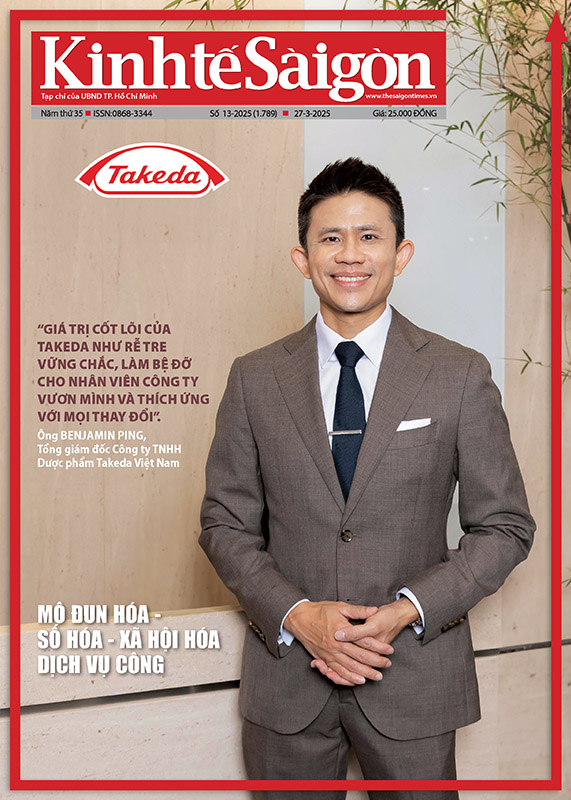
Dưới đây là toàn văn bài viết, lần đầu được đăng bằng tiếng Việt trên The Saigon Times vào ngày 27 tháng 3 năm 2025. Bản online ở đây. Đọc bản tiếng Anh ở đây.

51-đã gộp

Download the PDF here
Tải bản PDF ở đây

Decree 57: A Boost for the Competitive Electricity Market?

Vilasia, in collaboration with The Saigon Times, is pleased to present an in-depth article analyzing eight notable new highlights of Decree 57, comparing them with the previous provisions of Decree 80, and discussing the potential to promote a greener, freer, and more sustainable electricity market.

Below is the full article, originally published in Vietnamese in The Saigon Times on 27 March 2025. Read the Vietnamese version here

Decree 57: A Boost for the Competitive Electricity Market?

With many important adjustments, Decree 57 has been regarded by experts as a timely “upgrade”, addressing existing shortcomings, broadening the scope of eligible participants, and enhancing flexibility within the DPPA framework. Specifically, what has changed in Decree 57? Are these changes truly a “boost” for promoting a competitive electricity market in Vietnam?

Context of Replacing Decree 80 with Decree 57

The Direct Power Purchase Agreement (DPPA) mechanism is considered a breakthrough in the clean energy sector in Vietnam. For the first time, under Decree No. 80/2024/ND-CP, large electricity consumers were allowed to enter direct contracts with renewable energy producers, rather than relying entirely on Vietnam Electricity Group (EVN). Upon its issuance, Decree 80 was expected to trigger a new wave of investment, encourage the development of renewable energy sources, and pave the way for a competitive and transparent electricity market.

However, implementation in practice revealed various challenges. After nearly nine months in effect, Decree 80 was swiftly replaced by Decree No. 57/2025/ND-CP.

This article will analyze eight notable new provisions under Decree 57, compare them to the previous regulations under Decree 80, and explore their potential to promote a greener, freer, and more sustainable electricity market.

Comparison between Decree 80 and Decree 57: Key Changes

Content Decree 80 (Old) Decree 57 (New) Significance
Cap on direct electricity price No price cap; price negotiated freely between buyer and seller The price must not exceed the maximum rate set within the pricing framework for the corresponding energy source type Prevents ‘price inflation’, enables businesses to forecast price ceilings, increases transparency and protects both investors and large consumers
Removal of 200,000 kWh/month threshold, allowing greater participation via national grid Large consumers must average 200,000 kWh/month, connected at ≥ 22kV, for production purposes only Removes rigid consumption threshold; Minister of Industry and Trade has authority to adjust criteria flexibly; EV charging businesses may also participate Expands DPPA access, attracts more businesses (including SMEs), supports EV infrastructure, and contributes to green transport development
Flexibility in defining “large electricity consumer” Defined solely by 200,000 kWh/month criterion Minister of Industry and Trade may adjust criteria based on actual market conditions Aligns with grid development needs, reduces regulatory barriers, increases policy flexibility
Inclusion of biomass energy Only wind and solar power allowed under DPPA Biomass officially included as eligible renewable source under DPPA Diversifies renewable sources, utilizes agricultural by-products, reduces pollution, and enhances energy security
Inclusion of Power Companies in DPPA Role of local power companies not clearly defined Electricity Companies (subsidiaries or affiliates of EVN) are allowed to participate in DPPA Increases number of electricity suppliers, offers businesses more choices, and addresses previous market limitations
Recognition of rooftop solar as private grid Unclear whether rooftop solar counts as a private grid. Officially confirms rooftop solar systems qualify as private grid for DPPA Enables rooftop solar investors to use power for self-consumption and sell directly to other customers, increasing renewable adoption
Surplus rooftop solar power sales mechanism No specific provision Allows sales to EVN (max 20% of output, at previous year’s average price) or to electricity retail units in zones/clusters, capped at ground-mounted solar price Provides income for rooftop solar owners, reduces energy waste, and boosts decentralized energy market
Annual balancing cost adjustment Balancing costs calculated monthly Balancing cost adjustment changed to annual basis, reducing admin burden Simplifies procedures, helps businesses and generators manage cash flow more effectively

Key Considerations When Applying Decree 57

In addition to the regulatory changes introduced, businesses aiming to maximize the benefits of the DPPA mechanism must closely follow implementation guidance issued by the Ministry of Industry and Trade. The removal of the 200,000 kWh/month consumption threshold opens the door for broader participation, but it also requires companies to promptly assess their eligibility and readiness to join.

For enterprises located in industrial zones, it is essential to review or revise existing power purchase agreements with current electricity providers to avoid any contractual conflicts. Businesses interested in rooftop solar systems should carefully evaluate installation costs, maintenance requirements, and potential returns from selling excess electricity.

The transition from monthly to annual balancing under Decree 57 may also pose financial challenges. While it simplifies administrative procedures, it could temporarily impact cash flow. Therefore, adequate financial planning and forecasting are critical.

Additionally, businesses are encouraged to draw lessons from countries with mature DPPA frameworks such as the United States, Australia, or those in Europe, where DPPA contracts are typically structured to optimize cost efficiency and manage price risks. Seeking support from international organizations like USAID, GIZ, or the Asian Development Bank (ADB) can also help strengthen negotiation capacity and improve clean energy procurement strategies.

Outlook for the Renewable Energy Market and Drivers of Economic Greening

Decree 57 is widely regarded as a major advancement over Decree 80, particularly in its expanded scope, greater flexibility in eligible participants, and the introduction of price caps. Vietnam’s renewable electricity market has long held significant potential but has been hampered by legal barriers and limitations in grid infrastructure. Now, with a more refined DPPA mechanism, a growing number of clean energy projects may finally take off – serving as a strong catalyst for accelerating the transition toward a greener economy.

Promoting a Green Supply Chain

Large electricity-consuming industries such as textiles, footwear, and electronics manufacturing can leverage the DPPA mechanism to source renewable energy and meet ESG (Environmental, Social, and Governance) standards increasingly required by multinational corporations. As international customers place greater emphasis on carbon emissions, participation in DPPA allows businesses to maintain their export market share and enhance their reputation in the global marketplace.

Enhancing Energy Security

Allowing a wider range of renewable energy sources to participate in the DPPA mechanism will help Vietnam reduce its reliance on fossil fuel-based electricity and electricity imports. Additionally, the diversity of renewable energy types such as wind, solar, and biomass contributes to risk diversification and enhances the stability of the power system.

Laying the Foundation for a Vietnam Retail Electricity Market

With the participation of local power companies and private producers in the DPPA framework, the electricity market will become more competitive, offering businesses more choices in sourcing electricity. In the long term, transparent competition is expected to drive investment in transmission infrastructure and encourage the adoption of advanced technologies such as smart grids and remote metering systems.

Conclusion

Decree 57 has addressed the shortcomings of Decree 80 and established a stronger foundation for a competitive electricity market in Vietnam. Key improvements – such as implementing electricity price caps, expanding eligible participants, including biomass energy, creating mechanisms for rooftop solar, and simplifying the balancing process – represent significant progress.

If implemented effectively and supported by continued regulatory flexibility, the DPPA mechanism will not only help businesses reduce energy costs and stabilize long-term financial planning, but also enhance their competitive advantage, drive the green economy, and bring Vietnam closer to achieving its net-zero emissions target by 2050. Now is the time for businesses to proactively seize the opportunity to participate in the renewable electricity market and capitalize on the strategic advantages offered by Decree 57.

 

Contact Us
Email Us

For detailed inquiries, please email us at info@vil.asia.

Call Us

For quick questions or to arrange a meeting, feel free to call us at: (+84) 286 270 8696.

Meet Us in Person

Please visit us at:

Ho Chi Minh City

Aqua 1, Vinhomes Golden River, 2 Ton Duc Thang, Sai Gon Ward

Hanoi

11th Floor, Heritage West Lake Building, 677 Lac Long Quan, Tay Ho Ward