Vilasia Year One: Trust Earned, Deals Sealed, Future Unlocked

Vilasia Year One: Trust Earned, Deals Sealed, Future Unlocked

Vietnam, 18 March 2025 – One year ago, Vilasia started from scratch. Today, we have built a firm that stands on its own: trusted by clients, backed by a strong team, and delivering real results.

Clients: From 0 to 50

For us, the best business development strategy has always been doing the work, whether big or small, high fee or low fee, to the best of our ability with the quickest turnaround possible.

Over the past year, we have had the privilege of supporting approximately 50 clients, including well-known multinationals, emerging local businesses, and fast-growing startups across various industries.

We engage in every case with a full heart and a sharp mind, ensuring that the legal support we offer is not just effective but also deeply empathetic and aligned with our clients’ real needs.

Our Team: From 1 to 20

Vilasia started with one founder. Now, we are a team of nearly 20. Every member brings expertise, drive, and a shared commitment to delivering results.

The strength of our work comes from collective intelligence, where we challenge ideas, sharpen perspectives, and push each other to think outside the box. AI is a tool, but true legal strategy comes from a team that thinks together.

Working harmoniously, we embody unity: all for one and one for all.

Deals Done

Over the past year, we have successfully completed meaningful transactions, structured investments, and navigated complex legal issues, supporting our clients at critical phases of their development. Some highlights:

  • Assisted Nguyet Minh 2, a leading aluminum recycling company in Vietnam, in the transaction involving Marubeni’s investment in Nguyet Minh 2.
  • Supported SmartSolar on its US$1.85 million seed funding round, co-led by Picus Capital and 2degrees, with participation from Iterative.
  • Assisted a supply chain management startup in raising equity capital from the Japanese VC firm Reazon Capital.
  • Acted for TasCorp in investing in a rooftop solar company and acquiring an office building in Central Vietnam.
  • Secured strategic agreements for Performance 54 with the Sports Authority of Vietnam (SAV), the Vietnam National Authority of Tourism (VNAT), and T&T Group to enhance Vietnam’s golf tourism industry and elevate the country’s position as a premier golf destination in Asia, after helping them establish their presence in Vietnam.
  • Secured a long-term lease at The Nexus building (developed by Tokyu and Refico) for MâmMâm restaurant.
  • Acted for Vietcetera in its strategic collaboration with SpaceSpeakers, BEAT Network, and Dentsu Redder to launch RadioOnTV, a 24/7 music entertainment channel aimed at shaping Vietnam’s music and culture scene.
  • Represented the local partner in a strategic partnership that facilitated Joyful Nest’s entry into the Vietnamese market, supporting the establishment of a premium postnatal care and wellness hotel concept integrating modern healthcare with traditional Asian postpartum care.

Every transaction, no matter the size, is handled with the same level of focus and commitment.

What’s on Our Desk?

We are currently working on:

  • Advising one of the world’s most recognized beverage companies on a divestment transaction.
  • Representing a Vietnamese developer in the acquisition of a housing project valued at $80 million, utilizing a sophisticated funding structure.
  • Assisting one of Europe’s fastest-growing renewable energy companies in acquiring multiple rooftop solar power projects.
  • Supporting a Japan-Vietnam joint venture company in the renewable energy sector with a joint venture partner buyout transaction.
  • Representing a Hanoi-based healthcare group in a 35-year joint venture with a Bac Ninh-based hospital.

In addition to these transactions, we provide ongoing, comprehensive legal support to our retainer clients, assisting them with daily operations, regulatory compliance, contract negotiations, and crisis management.

Knowledge Sharing: Bringing Insights to the Market

Over the past year, we have actively shared knowledge to empower businesses, investors, and professionals navigating Vietnam’s dynamic legal landscape:

  • Vilasia Deal News: Launched on 3 December 2024, this daily snapshot delivers key M&A, startup fundraisings, major financings, and notable investments, providing clear and concise insights tailored for decision-makers.
  • Vilasia Watt Weekly: Since December 2024, this weekly newsletter has been delivering deep dives into Vietnam’s evolving energy policies, fresh regulations, and enforcement trends, helping businesses stay ahead in the low-carbon transition.
  • Thought Leadership in Real Estate: In July 2024, Nhung Nguyen authored a six-part series in The Saigon Times, offering one of the first in-depth analyses of Vietnam’s new real estate regulations.
  • Supporting Startups’ Fundraising Efforts:

From legal training to thought leadership, we remain committed to making complex legal matters accessible, insightful, and practical for the business community.

Looking Ahead

One year in, we are just getting started. We will continue to do what we have always done: focus on the work, get results, and keep moving forward.

Stay connected by visiting our website regularly or following Vilasia on LinkedIn for the latest updates!

Vilasia: Full Hearts & Sharp Minds
(VN/EN) Watt Weekly: DPPA – Major Risks And Preventive Measures – DPPA – Rủi Ro Chính Và Biện Pháp Phòng Ngừa

Welcome to Vilasia Watt Weekly—your high-voltage gateway to the pulse of Vietnam’s renewables revolution. In each electrifying edition, we illuminate the nation’s shifting energy policies, fresh regulations, and ramped-up enforcement measures that shape the industry’s momentum. Our mission is to energize your perspectives on Vietnam’s low-carbon transition—whether you’re navigating legal compliance, scouting clean power investments, or simply captivated by the winds of change sweeping through the energy landscape. Join us as we shine a spotlight on the empowering developments that are charging Vietnam’s future with sustainable possibility.
Chào mừng quý độc giả đến với Vilasia Watt Weekly—“cánh cổng cao thế” dẫn lối vào nhịp đập sôi động của cuộc cách mạng năng lượng tái tạo tại Việt Nam. Trong mỗi ấn phẩm tràn đầy sức sống, chúng tôi sẽ soi rọi những chuyển biến trong chính sách năng lượng, các quy định mới, cùng các biện pháp tăng cường thực thi đang định hình đà phát triển của toàn ngành. Sứ mệnh của chúng tôi là tiếp thêm “năng lượng” cho góc nhìn của bạn về con đường giảm phát thải carbon—dù bạn đang tìm hiểu về tuân thủ pháp lý, tìm kiếm cơ hội đầu tư năng lượng sạch, hay đơn giản chỉ say mê trước luồng gió đổi thay thổi bùng bức tranh năng lượng Việt. Hãy đồng hành cùng chúng tôi để khám phá những bước tiến vững chắc, góp phần “sạc” đầy tiềm năng bền vững cho tương lai đất nước.

Follow Vilasia Watt Weekly on LinkedIn
Theo dõi các bài mới của Vilasia Watt Weekly trên LinkedIn

In this edition, “DPPA – Major Risks and Preventive Measures“, we examine the potential risks within the Direct Power Purchase Agreement (DPPA) framework, particularly focusing on electricity price volatility, liquidity issues, operational challenges, and contractual uncertainties. We also provide a comprehensive overview of preventive measures, including long-term contracts, price hedging tools, and robust credit assessments. This article is essential for businesses aiming to navigate the evolving energy landscape in Vietnam, mitigate risks, and capitalize on the opportunities DPPA offers for green energy transition.
Trong ấn phẩm này, “DPPA – Rủi Ro Chính và Biện Pháp Phòng Ngừa”, chúng tôi phân tích các rủi ro tiềm ẩn trong cơ chế Hợp đồng Mua Bán Điện Trực Tiếp (DPPA), đặc biệt là biến động giá điện, rủi ro thanh khoản, thách thức vận hành và những bất ổn trong hợp đồng. Chúng tôi cũng cung cấp cái nhìn tổng quan về các biện pháp phòng ngừa, bao gồm hợp đồng dài hạn, công cụ bảo hiểm giá và đánh giá tín dụng chặt chẽ. Bài viết này là tài liệu thiết yếu cho các doanh nghiệp muốn điều hướng thị trường năng lượng đang thay đổi tại Việt Nam, giảm thiểu rủi ro và tận dụng cơ hội mà DPPA mang lại cho chuyển dịch năng lượng xanh.

Download the PDF here
Tải bản PDF ở đây

Vilasia Watt Weekly No 7 (Bil).250408

Browse back issues of Vilasia Watt Weekly here
Xem lại các số trước của Vilasia Watt Weekly ở đây

(VN/EN) Watt Weekly: DPPA Through National Grid – Key Contracts – DPPA Qua Lưới Điện Quốc Gia – Các Loại Hợp Đồng Cơ Bản

Welcome to Vilasia Watt Weekly—your high-voltage gateway to the pulse of Vietnam’s renewables revolution. In each electrifying edition, we illuminate the nation’s shifting energy policies, fresh regulations, and ramped-up enforcement measures that shape the industry’s momentum. Our mission is to energize your perspectives on Vietnam’s low-carbon transition—whether you’re navigating legal compliance, scouting clean power investments, or simply captivated by the winds of change sweeping through the energy landscape. Join us as we shine a spotlight on the empowering developments that are charging Vietnam’s future with sustainable possibility.
Chào mừng quý độc giả đến với Vilasia Watt Weekly—“cánh cổng cao thế” dẫn lối vào nhịp đập sôi động của cuộc cách mạng năng lượng tái tạo tại Việt Nam. Trong mỗi ấn phẩm tràn đầy sức sống, chúng tôi sẽ soi rọi những chuyển biến trong chính sách năng lượng, các quy định mới, cùng các biện pháp tăng cường thực thi đang định hình đà phát triển của toàn ngành. Sứ mệnh của chúng tôi là tiếp thêm “năng lượng” cho góc nhìn của bạn về con đường giảm phát thải carbon—dù bạn đang tìm hiểu về tuân thủ pháp lý, tìm kiếm cơ hội đầu tư năng lượng sạch, hay đơn giản chỉ say mê trước luồng gió đổi thay thổi bùng bức tranh năng lượng Việt. Hãy đồng hành cùng chúng tôi để khám phá những bước tiến vững chắc, góp phần “sạc” đầy tiềm năng bền vững cho tương lai đất nước.

Follow Vilasia Watt Weekly on LinkedIn
Theo dõi các bài mới của Vilasia Watt Weekly trên LinkedIn

In this edition, “DPPA through National Grid – Key Contracts”, we analyze the structure and legal mechanisms of the DPPA model under Decree 57/2025/ND-CP when implemented via the national grid. The article outlines three core contracts: the Spot Market Power Purchase Agreement between the Power Generation Unit and EVN; the Power Purchase Agreement between Large Consumers or Retail Units and EVN; and the Contract for Difference (CfD) between the Power Generation Unit and Consumers. Each contract is examined in detail regarding price-setting, risk allocation, and operational coordination. This publication offers practical insights for enterprises wishing to adopt DPPA through the national grid, enabling them to ensure legal compliance, control cost risks, and transition to renewable energy without needing a dedicated private grid.
Trong ấn phẩm này, “DPPA qua Lưới Điện Quốc Gia – Các Hợp Đồng Cơ Bản”, chúng tôi phân tích cấu trúc và cơ chế pháp lý của mô hình DPPA theo Nghị định 57/2025/NĐ-CP khi triển khai qua lưới điện quốc gia. Bài viết làm rõ ba loại hợp đồng trọng yếu: Hợp đồng Mua Bán Điện trên Thị Trường Giao Ngay giữa Đơn Vị Phát Điện và EVN; Hợp đồng Mua Bán Điện giữa Khách Hàng Lớn hoặc Đơn Vị Bán Lẻ và EVN; và Hợp đồng Kỳ Hạn Điện (CfD) giữa Đơn Vị Phát Điện và Khách Hàng. Mỗi hợp đồng được phân tích cụ thể về cách xác định giá, phân bổ rủi ro và điều phối vận hành. Ấn phẩm cung cấp góc nhìn thực tiễn cho doanh nghiệp muốn triển khai cơ chế DPPA qua lưới điện quốc gia, giúp đảm bảo tuân thủ pháp lý, kiểm soát chi phí và chuyển đổi sang năng lượng tái tạo mà không cần đầu tư vào lưới điện kết nối riêng.

Download the PDF here
Tải bản PDF ở đây

Vilasia Watt Weekly No. 6 (Bil).250401

Browse back issues of Vilasia Watt Weekly here
Xem lại các số trước của Vilasia Watt Weekly ở đây

直接電力購入契約 (DPPA) メカニズム:ベトナムのエネルギー分野における重要な転換点

VilasiaはThe Saigon Timesと協力した上、ベトナムにおける「直接電力購入契約(DPPA)」の導入を巡る機会と課題を分析した、洞察に富んだ記事をお届けします。持続可能性への世界的な取り組みが加速し、ESG基準がより厳格になる中、DPPAはベトナム企業にとって、再生可能エネルギーを確保し、電力コストを安定させ、グローバルなサプライチェーンにおける競争力を強化するための戦略的手段となります。

以下は、2025年3月20日にThe Saigon Timesにベトナム語で掲載された記事の和訳全文です。ベトナム語版は[こちら]から、英訳版は[こちら]からご覧いただけます。

PDF版をこちらからダウンロードできます

直接電力購入契約 (DPPA) メカニズム:ベトナムのエネルギー分野における重要な転換点.2025330

DPPA Mechanism: A Significant Turning Point in Vietnam’s Energy Sector

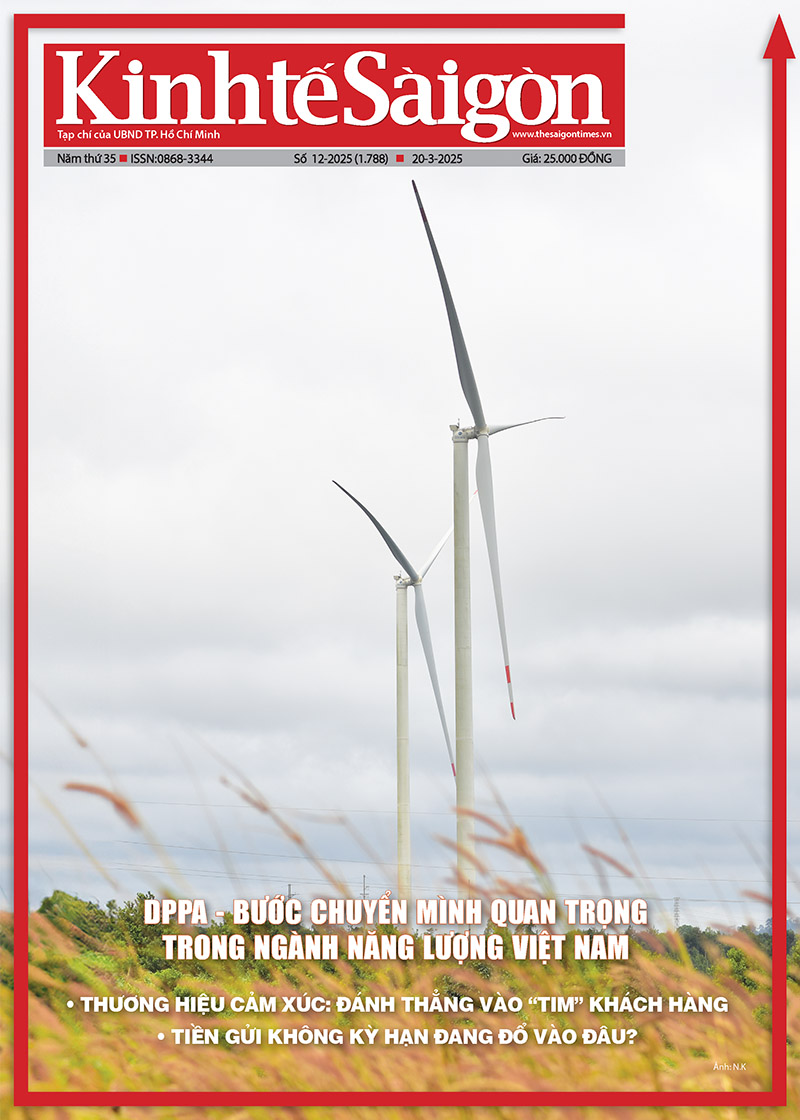
Vilasia, in collaboration with The Saigon Times, presents an insightful article analyzing the opportunities and complexities surrounding the Direct Power Purchase Agreement (DPPA) model in Vietnam. As the global push for sustainability accelerates and ESG standards tighten, DPPAs offer Vietnamese businesses a strategic pathway to secure green energy, stabilize electricity costs, and strengthen competitiveness in global supply chains.

Below is the full article, originally published in Vietnamese in The Saigon Times on 20 March 2025. Read the Vietnamese version here

DPPA Mechanism: A Significant Turning Point in Vietnam’s Energy Sector

In the context of global efforts toward sustainable development and carbon emission reduction, businesses in Vietnam are actively seeking solutions to secure cost-effective energy sources while maintaining an environmentally friendly corporate image. Many multinational corporations have imposed strict requirements on their supply chain partners to utilize renewable energy in order to meet ESG standards. In response to this pressure, the Direct Power Purchase Agreement (DPPA) mechanism has emerged as a strategic choice, enabling businesses to proactively select power sources and fostering the liberalization of the domestic electricity market. 

Under DPPA, large power consumers may enter into long-term contracts with renewable energy generators, rather than relying solely on Vietnam Electricity (EVN). This mechanism allows businesses to lock in electricity prices, minimize price fluctuations and directly access green power. In doing so, businesses can obtain green certifications, meet stringent international market requirements, and enhance their competitiveness. 

This article provides an overview of the DPPA mechanism, highlights its benefits and challenges, and offers practical solutions for businesses preparing for this new trend. The article also updates the replacement of Decree 80/2024/ND-CP with Decree 57/2025/ND-CP; however, the detailed provisions of the new decree are not yet covered. A more in-depth analysis of Decree 57 will be published in the next issue. 

BENEFITS AND POTENTIAL OF DPPA 

Helping businesses achieve green certification 

One of the most practical benefits of DPPA is the ability for businesses to obtain green certifications to meet environmental standards in export markets. This is particularly advantageous in sectors such as textiles, footwear, furniture, and processed agricultural products, where renewable energy use can create a significant competitive edge. For example, a garment manufacturer in Binh Duong recently signed a solar power purchase agreement, enabling the company to meet H&M’s “green” requirements and grow its EU export market share by 15% in 2024. 

Stabilizing long-term energy costs 

DPPA allows businesses to negotiate either fixed or flexible electricity prices with renewable energy plants, typically for terms of 5 – 20 years. This mitigates the risks associated with fuel price fluctuations and ensures budget stability. Amid rising fossil fuel costs, DPPA offers a long-term solution, enabling businesses to proactively manage energy costs. 

Attracting investment in renewable energy 

When enterprises proactively sign long-term green power contracts, renewable energy infrastructure investors are motivated to expand projects. Stable cash flows also help attract capital from international financial institutions, as investors increasingly prioritize ESG factors. Over time, a competitive retail electricity market facilitated by DPPA will become a magnet for foreign investment, positioning Vietnam as a regional clean energy center. 

Driving competitive electricity retail market development 

The DPPA mechanism represents a critical milestone in the roadmap for developing a competitive retail electricity market. Traditionally, businesses have been dependent on EVN. DPPA now allows them to contract directly with renewable energy generators, increasing transparency, encouraging technological innovation, providing more procurement options, and reduces monopolistic tendencies. 

CHALLENGES IN IMPLEMENTING DPPA 

While DPPA offers significant benefits, it remains a relatively new mechanism in Vietnam and presents several legal, technical, and financial complexities that businesses must carefully consider before participation. 

Incomplete legal framework  

While the legal foundation has been laid (initially via Decree 80, now superseded by Decree 57), detailed guidelines are still required, particularly regarding payment mechanisms, transmission fees, and price risk management. This lack of clarity could lead to disputes and implementation delays. 

CfD Contract and risk allocation 

The Contract for Difference (CfD) is the “backbone” of DPPA, where a fixed electricity price is set for over the term of the agreement. However, a lack of understanding around price adjustment mechanisms, risk allocation, and dispute resolution procedures can result in prolonged negotiations, impacting project timelines and costs. 

Complexity in industrial zones 

Many businesses operating in industrial zones already have exclusive power purchase agreements with management boards or infrastructure providers. Transitioning to DPPA requires renegotiating these agreements, which can lead to conflicts of interest, contractual penalties, or rejection. Businesses need to conduct a careful review and plan for contingencies. 

Lack of transparency on fee structures 

Clear guidance is still lacking regarding transmission fees, and contract management charges, system operation costs, etc., making it difficult for businesses to forecast the total cost of DPPA participation. This lack of transparency may cause hesitation among investors. 

Personnel and legal knowledge requirements 

DPPA participation requires a team well-versed in electrical engineering, spot market, legal knowledge, and international negotiation skills. Negotiating, monitoring contracts, and managing price fluctuations are all complex and resource-intensive, especially for small enterprises. 

RECOMMENDED SOLUTIONS 

Seeking Professional Consulting 

Before participating, businesses should consult with independent experts or experienced consultants in energy, law, and electricity markets. This helps assess needs, risks, and design appropriate strategies. Early investment in consulting can prevent costly mistakes later. 

Early negotiation with industrial zone management 

Businesses in industrial zones should proactively engage with management boards or electricity retailers to adjust or supplement contract terms related to DPPA to avoid conflicts with existing agreements. In some cases, “parallel purchasing” – continuing to purchase electricity from the park while sourcing additional renewable energy via DPPA – may be possible if agreed. 

Inter-Company Collaboration 

Small and medium-sized enterprises can “combine” their electricity consumption to meet the minimum threshold, share consultancy costs, and enhance their negotiating power with energy producers. This approach not only eases the financial burden but also offers opportunities for learning and exchanging best practices in DPPA implementation. 

Participation in Technical Support Programs 

International organizations such as USAID, GIZ, and ADB are offering support for Vietnamese businesses in renewable energy. Participation in seminars, training, or pilot projects can help businesses improve knowledge, risk management, and DPPA implementation. 

Step-by-Step Transition Roadmap 

Instead of transitioning 100% of electricity demand to DPPA immediately, businesses can start with a small portion (10-20%) and gradually increase it. This phased approach allows for performance evaluation, market testing, and timely adjustments to business plans if needed. 

Transparency and Coordination with Regulatory Authorities 

Businesses, industry associations, and regulatory authorities should establish regular communication channels to address issues regarding fee structures or grid connection procedures. Continuous feedback and adjustments will help fine-tune DPPA implementation to meet market needs. 

PROSPECTS FOR DPPA AND COMPETITIVENESS ENHANCEMENT 

An inevitable trend in electricity market liberalization 

DPPA is a crucial component in Vietnam’s electricity market liberalization roadmap, allowing multiple parties to directly trade electricity. Increased competition will drive innovation, improve service quality, and offer businesses greater flexibility in procurement. 

A level for vietnam’s “green revolution” 

Beyond its economic value, DPPA raises broader awareness of clean energy and encourages businesses and consumers to adopt “green” consumption practices. Renewable energy investments will continue to grow, bringing Vietnam closer to becoming a regional clean energy center. 

Enhancing global supply chain position 

Demonstrating renewable energy use through DPPA allows businesses to meet ESG criteria, earning recognition from international partners and potential export markets. It provides an opportunity to establish a “green” image within the value chain, enhance global connections, and access demanding markets such as the EU and the US. 

The DPPA mechanism promises significant benefits both economically and environmentally, while paving the way for a more competitive, transparent, and sustainable electricity market. Although still in its early stages, DPPA has laid a crucial foundation, providing Vietnamese businesses with the opportunity to access green energy at stable costs. 

During implementation, proactively staying updated on legal developments, preparing resources, and seeking professional support will enable businesses to fully leverage advantages and manage risks effectively. The replacement of Decree 80 with Decree 57 demonstrates the Government’s willingness to listen and adjust, creating a more favorable framework for businesses. 

DPPA: Bước Chuyển Mình Quan Trọng Trong Ngành Năng Lượng Việt Nam

Vilasia, phối hợp cùng The Saigon Times, trân trọng giới thiệu bài viết chuyên sâu phân tích các cơ hội và thách thức xoay quanh mô hình Hợp đồng Mua bán Điện Trực tiếp (Direct Power Purchase Agreement – DPPA) tại Việt Nam. Trong bối cảnh toàn cầu đẩy mạnh phát triển bền vững và các tiêu chuẩn ESG ngày càng khắt khe, DPPA mang đến cho doanh nghiệp Việt Nam một hướng đi chiến lược để tiếp cận nguồn điện xanh, ổn định chi phí năng lượng và nâng cao năng lực cạnh tranh trong chuỗi cung ứng toàn cầu.

Dưới đây là toàn văn bài viết, lần đầu được đăng bằng tiếng Việt trên The Saigon Times vào ngày 20 tháng 3 năm 2025. Bản online ở đây. Đọc bản tiếng Anh ở đây.

53 (1)-đã gộp

Download the PDF here
Tải bản PDF ở đây

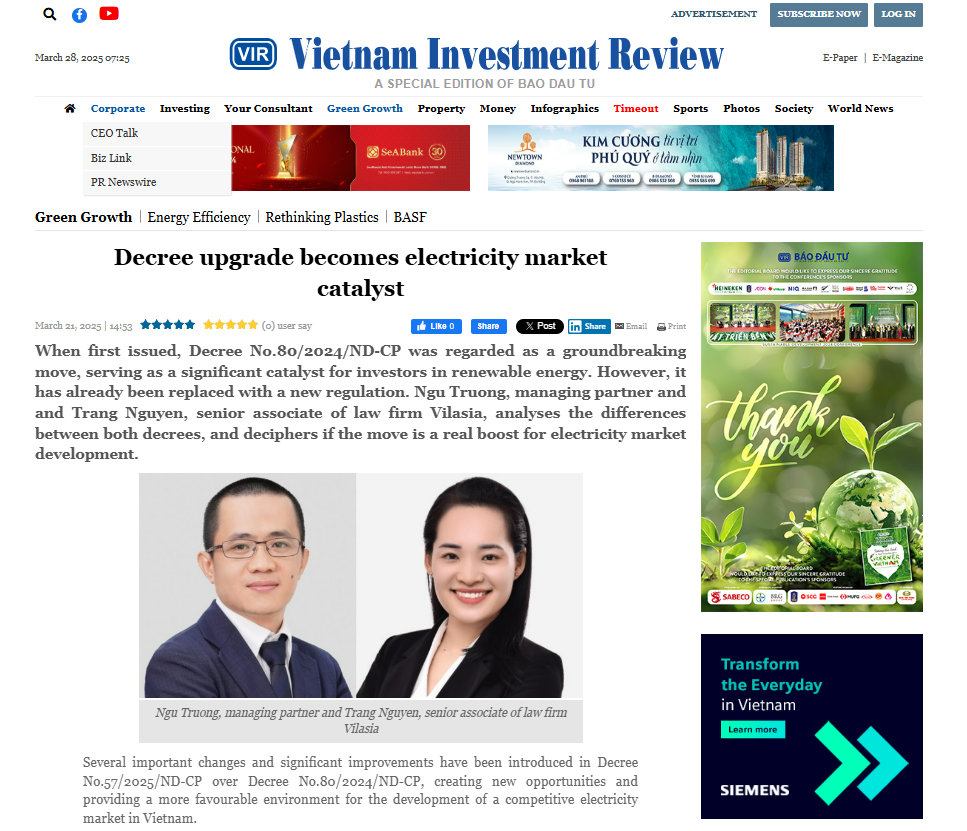
Decree Upgrade Becomes Electricity Market Catalyst (on Vietnam Investment Review)

(First published in the online edition of Vietnam Investment Review on 21 March 2025.)

When first issued, Decree No.80/2024/ND-CP was regarded as a groundbreaking move, serving as a significant catalyst for investors in renewable energy. However, it has already been replaced with a new regulation. Ngu Truong, managing partner and and Trang Nguyen, senior associate of law firm Vilasia, analyses the differences between both decrees, and deciphers if the move is a real boost for electricity market development.

Several important changes and significant improvements have been introduced in Decree No.57/2025/ND-CP over Decree No.80/2024/ND-CP, creating new opportunities and providing a more favourable environment for the development of a competitive electricity market in Vietnam. Key updates, such as greater flexibility in defining large electricity customers, the inclusion of biomass power, clearer participation rules for rooftop solar power in the direct power purchase agreement (DPPA) mechanism, and the introduction of a surplus electricity sales mechanism, reflect the government’s proactive approach and long-term vision in advancing the DPPA framework, encouraging renewable energy, and safeguarding the environment. While the previous decree established the initial framework for the DPPA mechanism, Decree 57 represents a major step forward, swiftly and flexibly addressing its shortcomings. It expands the pool of participants while ensuring fairness and transparency in electricity transactions. This marks a new phase of progress, which is expected to further accelerate the development of the renewable electricity market, liberalise the clean energy sector, and contribute to building a sustainable, green energy system for the future.

Key differences

Decree 80 allowed renewable energy producers and large electricity consumers to freely negotiate electricity prices without being restricted by specific price thresholds.

In contrast, Decree 57 imposes a more rigorous rule: while parties are still free to negotiate prices, the price must not exceed the maximum limit set within the electricity generation price framework for the respective energy source.

The goal is to ensure fairness and transparency in electricity transactions, regulate electricity prices, and prevent parties from arbitrarily agreeing on inflated or excessively low prices, while safeguarding the interests of both investors and customers involved in the DPPA mechanism.

Under the previous rules, to participate in the DPPA mechanism via the national grid, customers needed to meet certain conditions, including an average consumption of 200,000 kWh/month, connection at 22kV or higher, and usage for production purposes.

However, these requirements have raised several issues in defining the participation conditions. For example, should electricity output be calculated based on each individual measurement point or aggregated from multiple points? How should businesses that use electricity both for production and for commercial or residential activities be accounted for? And should the connection voltage level be based on the connection agreement or the location of the metering system?

To address these challenges, Decree 57 has introduced significant adjustments. Specifically, it no longer applies the rigid criterion of “average consumption of 200,000kWh/month” for large customers participating in DPPA.

Instead, this criterion will be adjusted flexibly by the minister of industry and trade, in alignment with the evolving stages of the power system’s development.

While the detailed regulations will await further guidance from the Ministry of Industry and Trade (MoIT), this is a positive signal, reflecting the government’s flexibility and long-term vision for the DPPA mechanism.

Furthermore, Decree 57 no longer restricts large electricity customers to only using electricity for production purposes. Large customers using electricity for services such as electric vehicle charging are now also permitted to participate in DPPA through the national grid.

This not only broadens the range of eligible participants but also creates opportunities to boost investment in electric vehicle support services, contributing to the sustainable development of green transportation systems in Vietnam.

The new regulations set flexible guidelines for identifying “large electricity users”. The concept has undergone a significant change between decrees. While the previous one applied a rigid criterion of average consumption or registered usage of 200,000kWh/month to define large customers, Decree 57 has introduced more flexibility by granting the MoIT the authority to adjust capacity and consumption levels according to the different stages of development of the power system.

This reflects the government’s proactive and flexible approach in adjusting the mechanism to align with practical realities and the evolving trends in the energy sector.

Meanwhile, although only wind and solar power were allowed to participate in the DPPA mechanism, Decree 57 has expanded the scope by including biomass power as a new energy source eligible to participate in the mechanism through the national grid.

The MoIT explained in a January report that the decision to include biomass power, rather than expanding to other renewable energy sources, was due to the significant potential of biomass energy. Many biomass power plants with capacities exceeding 10MW are already operational, with a total current capacity of around 332MW.

It is projected that by 2030, biomass power capacity will increase by an additional 300MW. Moreover, biomass power is highly stable, helps reduce environmental pollution, and promotes investment in clean, sustainable technologies.

Wider participation

The fresh rules also allow power companies to participate in the DPPA mechanism via the national grid.

In January, the MoIT explained that the decision to include power companies in the DPPA mechanism was made to address issues encountered during the implementation of Decree 80.

Specifically, Khanh Hoa Power JSC, a subsidiary of Central Power Corporation, was licensed to retail electricity in Khanh Hoa province but was not allowed to participate in the DPPA mechanism. This restriction prevented large electricity consumers in Khanh Hoa from engaging in DPPA transactions with the company.

In response to this issue, the MoIT has made adjustments to allow power companies to participate in the DPPA mechanism, thus creating a more favourable environment for large electricity consumers.

Elsewhere, the connection structure of rooftop solar power systems was not included in the definition of private connection grids, which led to ambiguity regarding their eligibility to participate in the DPPA mechanism. However, Decree 57 has clarified that the private connection grid of rooftop solar power systems is now considered a type of private connection grid eligible for participation in the DPPA mechanism.

Decree 57 introduces a new mechanism allowing rooftop solar power systems to sell surplus electricity to Vietnam Electricity or its subsidiaries, provided that the surplus does not exceed 20 per cent of the actual electricity output. The sale price will be based on the average electricity price from the previous year and cannot exceed the maximum price set for ground-mounted solar power under the electricity pricing framework; and retail electricity providers in specific zones or clusters, with the surplus electricity and purchase price negotiated between the parties, but again, not exceeding the maximum price for ground-mounted solar power as outlined in the pricing framework.

This provision, a new addition, opens up opportunities for rooftop solar owners to reduce their electricity costs and actively participate in the retail electricity market. It enhances flexibility and efficiency in the use of renewable energy.

Finally, Decree 57 shifts the calculation of compensation costs from a monthly to an annual basis. This adjustment alleviates the calculation burden for parties involved in DPPA transactions, resulting in significant resource savings and increased efficiency.

As the legal framework for DPPA evolves rapidly, businesses must stay updated, collaborate closely with relevant stakeholders, and carefully evaluate the new adjustments to mitigate legal risks. This approach will help expedite investment, streamline the signing of DPPA contracts, and optimise strategies for clean energy usage, ultimately supporting sustainable development and ensuring long-term, stable benefits.

(VN/EN) Watt Weekly: DPPA Through Private Grid – Key Contracts – DPPA Qua Lưới Điện Kết Nối Riêng – Các Loại Hợp Đồng Cơ Bản

Welcome to Vilasia Watt Weekly—your high-voltage gateway to the pulse of Vietnam’s renewables revolution. In each electrifying edition, we illuminate the nation’s shifting energy policies, fresh regulations, and ramped-up enforcement measures that shape the industry’s momentum. Our mission is to energize your perspectives on Vietnam’s low-carbon transition—whether you’re navigating legal compliance, scouting clean power investments, or simply captivated by the winds of change sweeping through the energy landscape. Join us as we shine a spotlight on the empowering developments that are charging Vietnam’s future with sustainable possibility.
Chào mừng quý độc giả đến với Vilasia Watt Weekly—“cánh cổng cao thế” dẫn lối vào nhịp đập sôi động của cuộc cách mạng năng lượng tái tạo tại Việt Nam. Trong mỗi ấn phẩm tràn đầy sức sống, chúng tôi sẽ soi rọi những chuyển biến trong chính sách năng lượng, các quy định mới, cùng các biện pháp tăng cường thực thi đang định hình đà phát triển của toàn ngành. Sứ mệnh của chúng tôi là tiếp thêm “năng lượng” cho góc nhìn của bạn về con đường giảm phát thải carbon—dù bạn đang tìm hiểu về tuân thủ pháp lý, tìm kiếm cơ hội đầu tư năng lượng sạch, hay đơn giản chỉ say mê trước luồng gió đổi thay thổi bùng bức tranh năng lượng Việt. Hãy đồng hành cùng chúng tôi để khám phá những bước tiến vững chắc, góp phần “sạc” đầy tiềm năng bền vững cho tương lai đất nước.

Follow Vilasia Watt Weekly on LinkedIn
Theo dõi các bài mới của Vilasia Watt Weekly trên LinkedIn

In this edition, “DPPA through Private Grid – Key Contracts”, we analyze the main contracts involved in the DPPA mechanism under Decree 57/2025/ND-CP. The article covers the Power Purchase Agreement (PPA) between the Power Generation Unit and Large Consumers, as well as supplementary contracts for surplus power resale to EVN or retail units. It also explains the “insurance” role of backup contracts for large consumers when the private grid cannot meet demand. This publication serves as a comprehensive guide for businesses to navigate the DPPA through private grid, ensuring legal compliance, minimizing risks, and optimizing energy strategies for cost-efficiency and sustainability.
Trong ấn phẩm này, “DPPA qua Lưới Điện Kết Nối Riêng – Các Hợp Đồng Cơ Bản”, chúng tôi phân tích các hợp đồng chính liên quan đến cơ chế DPPA theo Nghị định 57/2025/NĐ-CP. Bài viết đề cập đến Hợp đồng Mua Bán Điện (PPA) giữa Đơn Vị Phát Điện và Khách Hàng Lớn, cùng các hợp đồng bổ trợ cho việc bán lại điện dư thừa cho EVN hoặc các đơn vị bán lẻ. Bài viết cũng giải thích vai trò “bảo hiểm” của các hợp đồng dự phòng cho khách hàng lớn khi lưới điện kết nối riêng không đáp ứng đủ nhu cầu. Ấn phẩm này là tài liệu hướng dẫn toàn diện giúp doanh nghiệp triển khai DPPA qua lưới điện kết nối riêng, đảm bảo tuân thủ pháp lý, giảm thiểu rủi ro và tối ưu hóa chiến lược sử dụng điện hiệu quả và bền vững.

Download the PDF here
Tải bản PDF ở đây

Vilasia Watt Weekly No. 5 (Bil)_250325

Follow Vilasia Watt Weekly on LinkedIn
Theo dõi các bài mới của Vilasia Watt Weekly trên LinkedIn

(VN/EN) Watt Weekly: DPPA – Participation Process Under Decree 57/2025 – DPPA – Quy Trình Tham Gia Theo Nghị Định 57/2025

Welcome to Vilasia Watt Weekly—your high-voltage gateway to the pulse of Vietnam’s renewables revolution. In each electrifying edition, we illuminate the nation’s shifting energy policies, fresh regulations, and ramped-up enforcement measures that shape the industry’s momentum. Our mission is to energize your perspectives on Vietnam’s low-carbon transition—whether you’re navigating legal compliance, scouting clean power investments, or simply captivated by the winds of change sweeping through the energy landscape. Join us as we shine a spotlight on the empowering developments that are charging Vietnam’s future with sustainable possibility.
Chào mừng quý độc giả đến với Vilasia Watt Weekly—“cánh cổng cao thế” dẫn lối vào nhịp đập sôi động của cuộc cách mạng năng lượng tái tạo tại Việt Nam. Trong mỗi ấn phẩm tràn đầy sức sống, chúng tôi sẽ soi rọi những chuyển biến trong chính sách năng lượng, các quy định mới, cùng các biện pháp tăng cường thực thi đang định hình đà phát triển của toàn ngành. Sứ mệnh của chúng tôi là tiếp thêm “năng lượng” cho góc nhìn của bạn về con đường giảm phát thải carbon—dù bạn đang tìm hiểu về tuân thủ pháp lý, tìm kiếm cơ hội đầu tư năng lượng sạch, hay đơn giản chỉ say mê trước luồng gió đổi thay thổi bùng bức tranh năng lượng Việt. Hãy đồng hành cùng chúng tôi để khám phá những bước tiến vững chắc, góp phần “sạc” đầy tiềm năng bền vững cho tương lai đất nước.

Follow Vilasia Watt Weekly on LinkedIn
Theo dõi các bài mới của Vilasia Watt Weekly trên LinkedIn

In this edition, “DPPA – Registration Process Under Decree 57”, we present a structured analysis of the participation procedures outlined in Decree 57/2025/ND-CP. The article highlights the detailed processes for both DPPA models — via private grid and via national grid — from eligibility criteria, specific conditions, and step-by-step implementation to compliance requirements for renewable power generators and large consumers. We also emphasize the practical considerations businesses should take into account, including investment scale, legal procedures, technical conditions, and geographical factors. This publication serves as a practical guide for enterprises to navigate DPPA participation efficiently, ensuring legal compliance, minimizing procedural risks, and optimizing long-term energy strategies for competitive advantage.
Trong ấn phẩm này, “DPPA – Quy Trình Đăng Ký Theo Nghị Định 57/2025”, chúng tôi giới thiệu phân tích chi tiết về quy trình tham gia cơ chế Mua Bán Điện Trực Tiếp (DPPA) theo quy định của Nghị định 57/2025/NĐ-CP. Bài viết làm rõ các bước thực hiện đối với hai hình thức DPPA qua lưới điện kết nối riêng và DPPA qua lưới điện quốc gia, từ đối tượng áp dụng, điều kiện cụ thể, trình tự thực hiện cho đến các yêu cầu tuân thủ về pháp lý và kỹ thuật đối với đơn vị phát điện và khách hàng lớn. Bên cạnh đó, chúng tôi cũng đề cập đến các yếu tố mà doanh nghiệp cần cân nhắc, bao gồm quy mô đầu tư, thủ tục pháp lý, điều kiện kỹ thuật và yếu tố vị trí địa lý. Ấn phẩm này sẽ là tài liệu tham khảo hữu ích giúp doanh nghiệp nắm rõ quy trình tham gia DPPA, bảo đảm tuân thủ quy định, giảm thiểu rủi ro và xây dựng chiến lược sử dụng điện hiệu quả nhằm tối ưu chi phí và nâng cao lợi thế cạnh tranh trên thị trường.

Download the PDF here
Tải bản PDF ở đây

Vilasia Watt Weekly No.4_Bil_250318

Follow Vilasia Watt Weekly on LinkedIn
Theo dõi các bài mới của Vilasia Watt Weekly trên LinkedIn

Contact Us
Email Us

For detailed inquiries, please email us at info@vil.asia.

Call Us

For quick questions or to arrange a meeting, feel free to call us at: (+84) 286 270 8696.

Meet Us in Person

Please visit us at:

Ho Chi Minh City

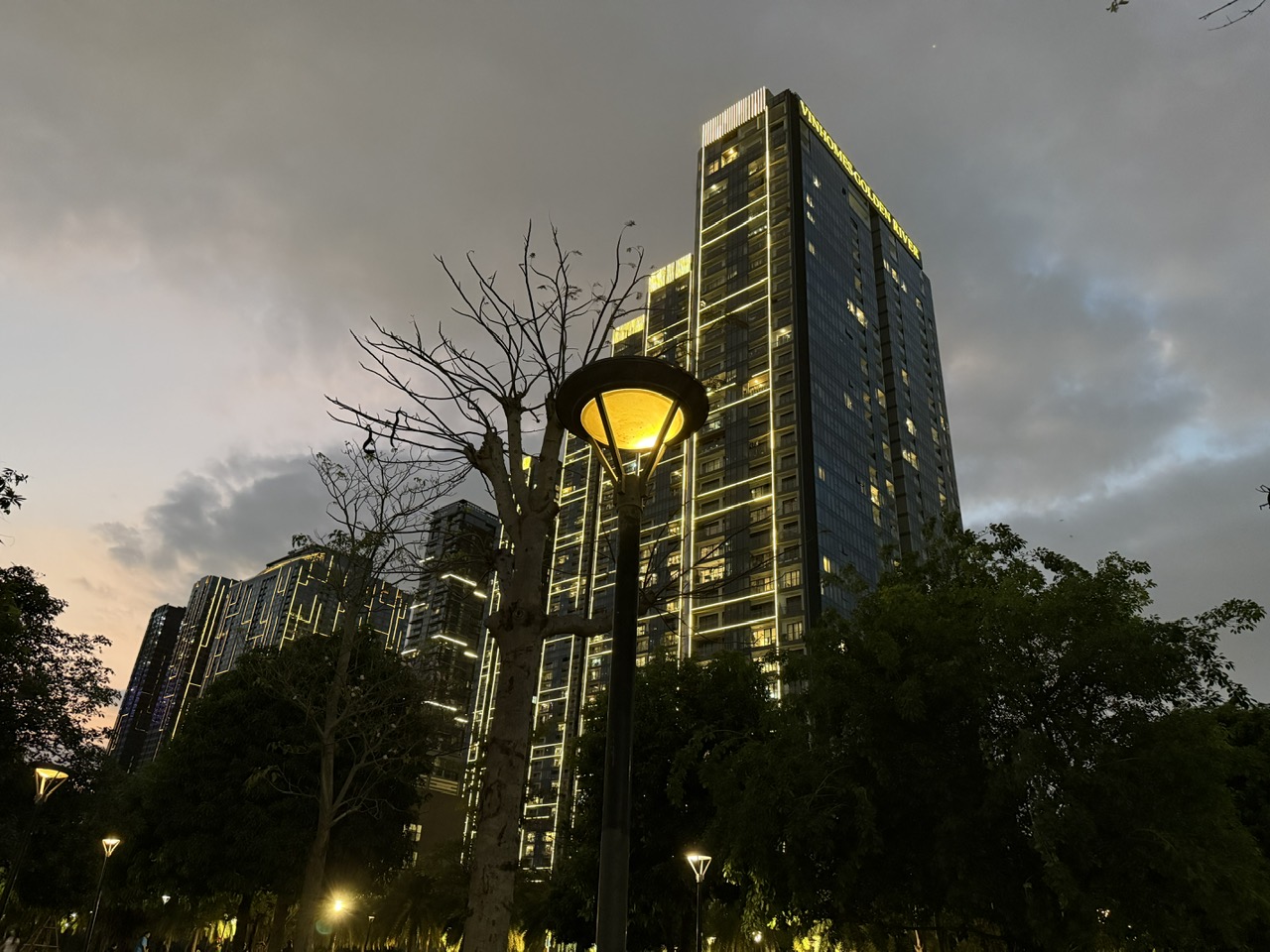
Aqua 1, Vinhomes Golden River, 2 Ton Duc Thang, Sai Gon Ward

Hanoi

11th Floor, Heritage West Lake Building, 677 Lac Long Quan, Tay Ho Ward